Northern noodles in pork-tomato broth (khà-nǒm-jiin náam-ngíao)
ขนมจีนน้ำเงี้ยว
khà-nǒm-jiin náam-ngíao
The name, part by part — one piece does not decompose
| Part | Sound | What it means |
|---|---|---|
| ขนมจีน | khà-nǒm-jiin | a borrowing — see the note; fresh fermented rice noodles, sold in cold coils |
| น้ำ | náam | water, liquid — here the broth poured over |
| เงี้ยว | ngíao | the old Thai name for the Shan (Tai Yai), now dated and best avoided in speech |
Two blocks, only one of them readable: ขนมจีน is a fixed name that is neither a sweet nor Chinese, น้ำ is the broth, and เงี้ยว points north. The name says nothing about pork ribs or tomatoes.
This is the trap the hub warns about. ขนมจีน is not a ขนม, which normally means a sweet, and it is not จีน, Chinese: this site's page states it is a Mon word, which is the standard account. Do not split those two syllables for a learner as though they meant anything. On เงี้ยว, the Shan reading matches the dish's Shan (Tai Yai) origin, but an alternative link to ดอกงิ้ว, the dried kapok flower in the broth, is also heard; the two are different words and the connection is disputed — say so rather than picking one.
How Thai dish names are built, in full: Thai food, dish by dish.
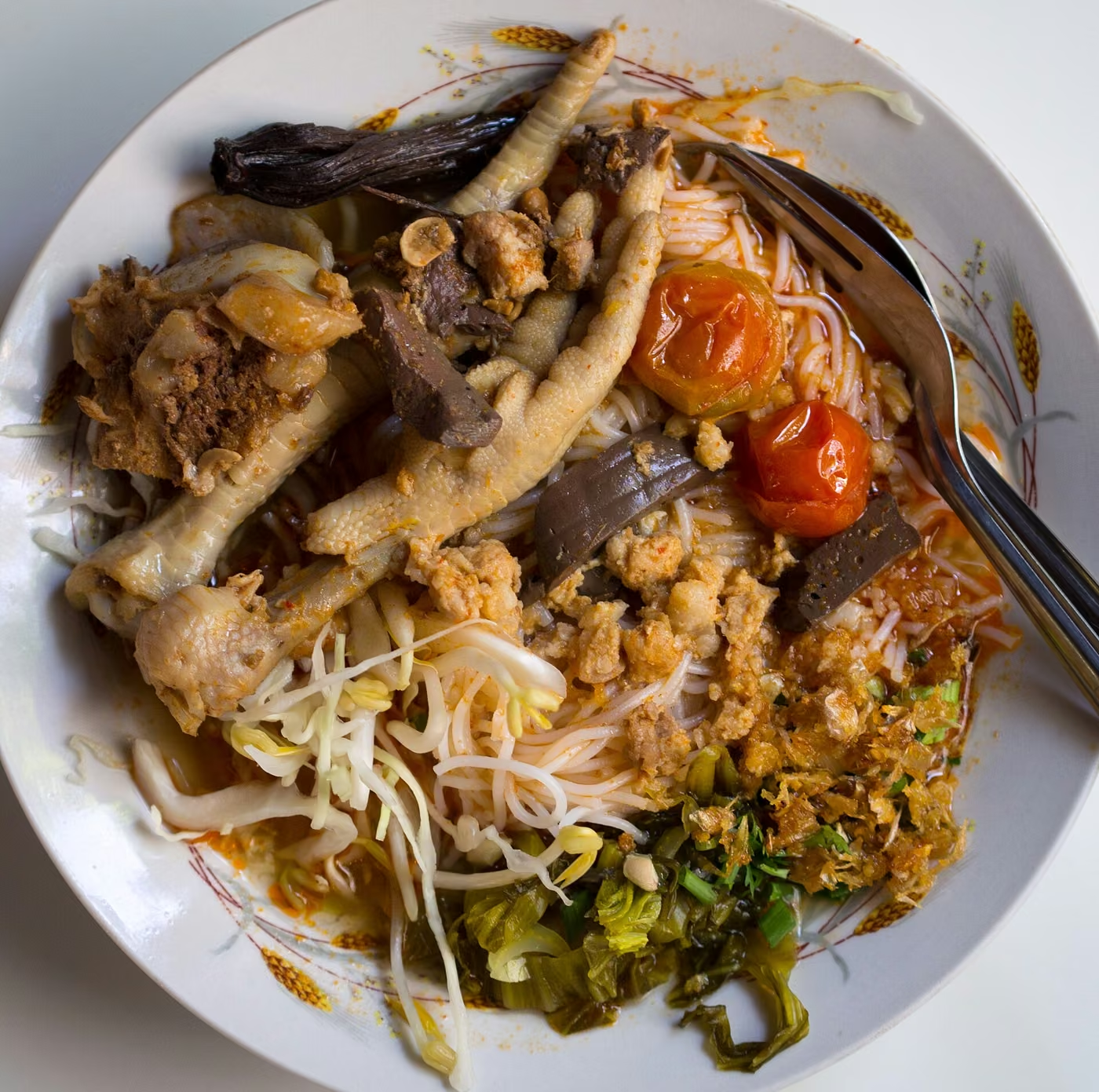

Fresh fermented rice noodles under a rust-red broth of pork ribs, tomatoes, and dried cotton-tree flowers, the northern market lunch that tourists walk past on their way to khao soi. Shan (Tai Yai) in origin, like much of Chiang Mai's best food.
Spice medium Tomato-sour with a chilli base; northern-medium, not Isaan-hot.
What is in it Khanom jeen noodles, pork ribs and blood cubes, cherry tomatoes, ngiao (kapok) flowers, fermented bean paste, chilli paste; sides of pickled mustard greens, crackling, raw bean sprouts.
Vegetarian and allergies The broth is pork-rib based; no honest adaptation.
Say it at every level
A1.1 Order it
ขนมจีนน้ำเงี้ยวครับ (khà-nǒm-jiin náam-ngíao khráp). Everything else arrives with it.
A2 Make it yours
ขนมจีน has nothing to do with China (จีน) despite the spelling: it is a Mon word. Asking for extra pickled greens, ขอผักดองเพิ่ม, is the expected move.
B1 Talk about it
The blood-cube question, matter-of-fact: เลือดหมูกินได้ไหม, can you eat the pork blood? Answering ได้ (yes) earns visible approval; ขอไม่ใส่ (without, please) is fully acceptable said plainly.
C1 to native Own it
ดอกงิ้ว, the kapok flower in the broth, is a poetic word: the tree features in Thai temple murals of hell where adulterers climb its thorns, so งิ้ว carries a whole moral universe. Recognising the flower in your bowl and the mural on the temple wall as the same word is the kind of connection native culture runs on.
Hungry for the words too? Ordering food phrases